

Trulli Maa historic restoration
puglia, italy
Trulli Maa, restoration in the heart of Puglia, honouring vernacular architecture through thoughtful design.

Trulli Maa historic restoration puglia, italy
Preserving the integrity of the local architectural heritage whilst adapting these historic structures for contemporary living.
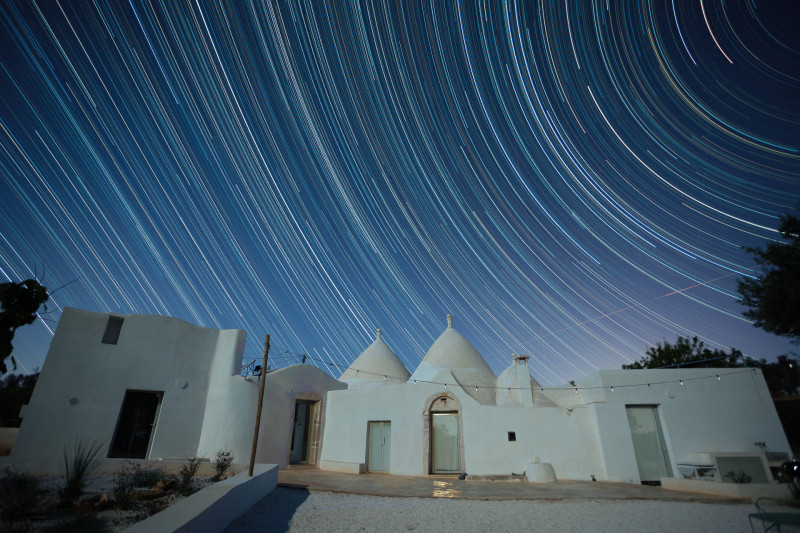
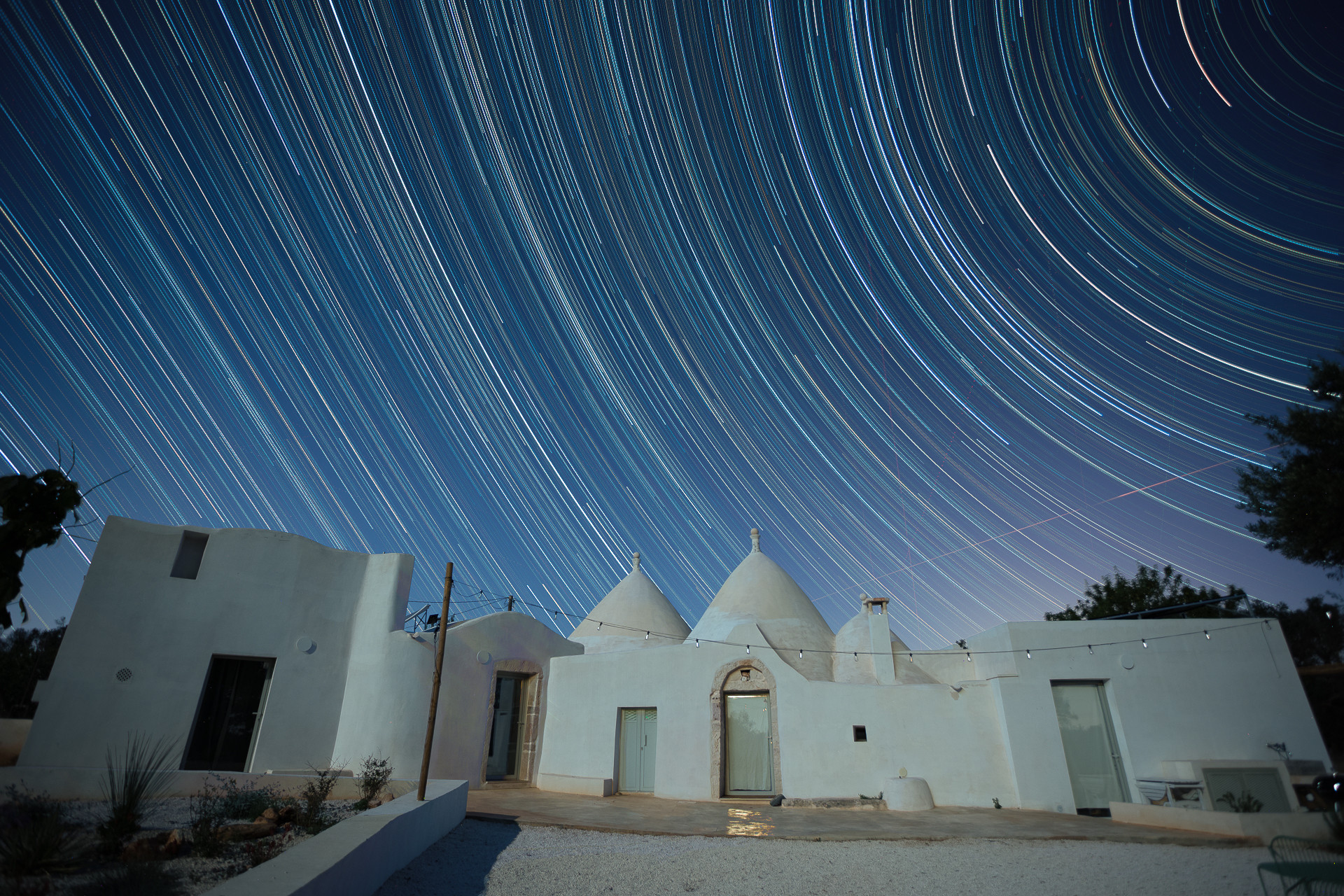
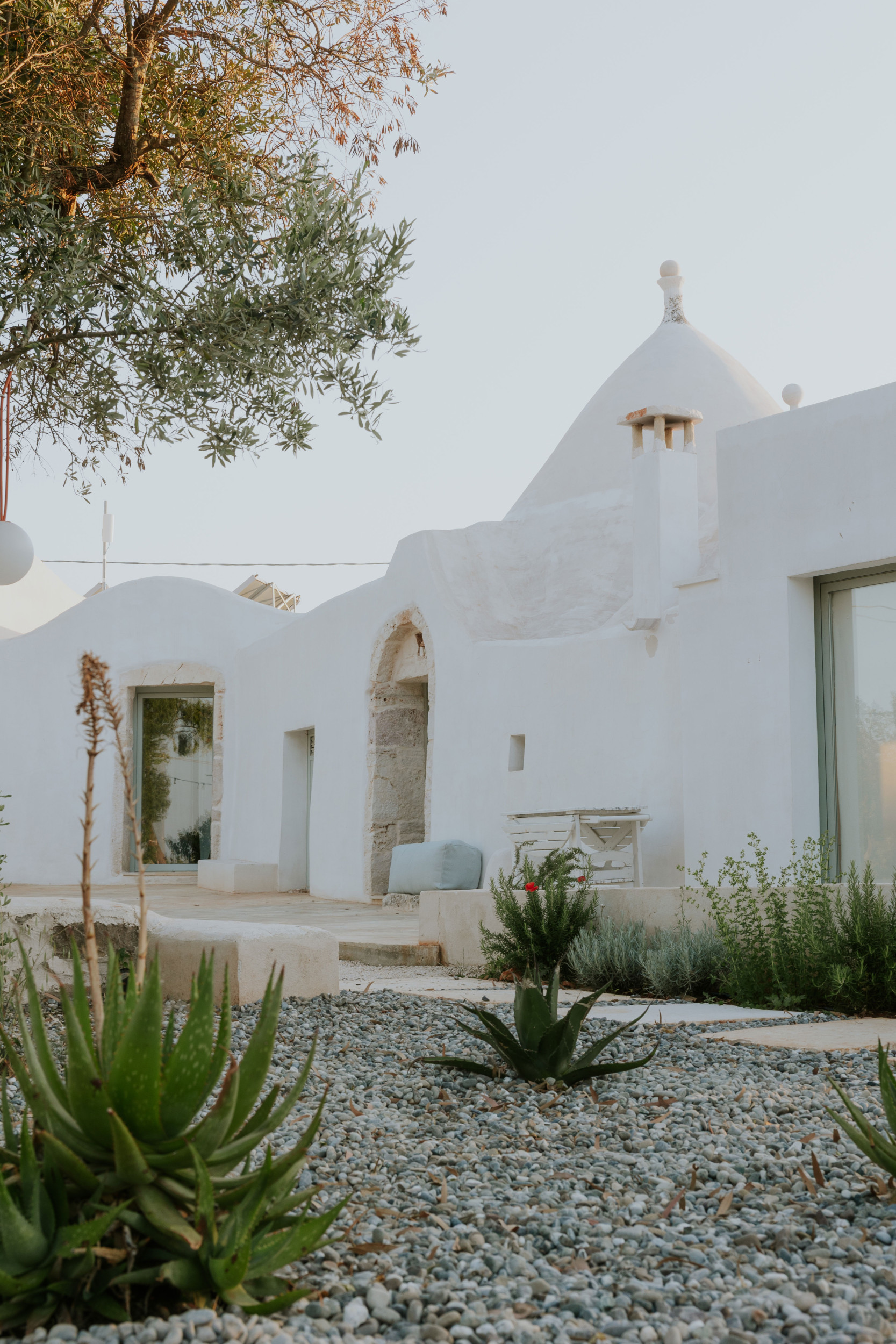
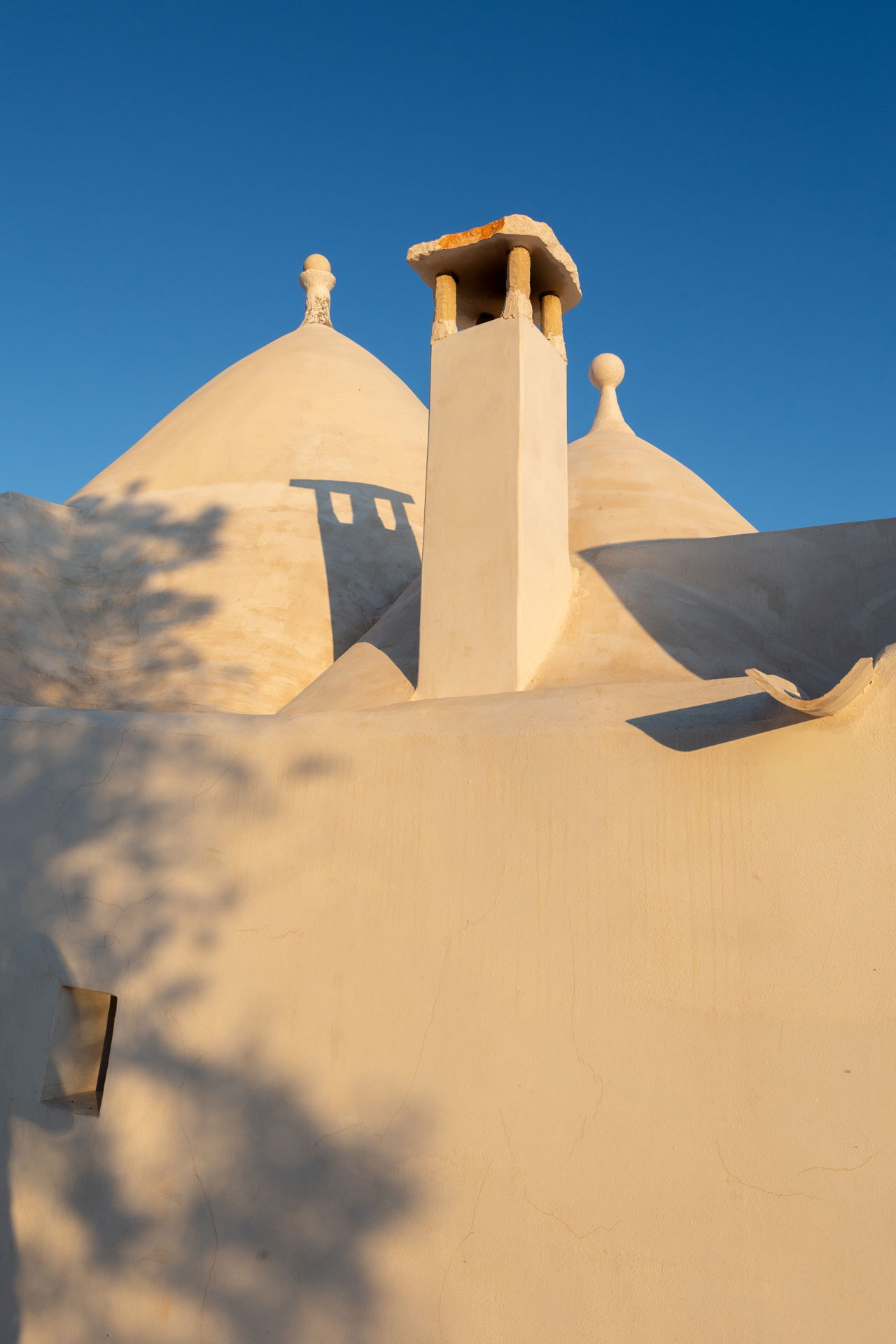
Nestled within three hectares of ancient olive groves in the Itria Valley, Mwai transforms a cluster of abandoned dry-stone structures into a serene, minimalist holiday retreat. The project reflects the studio’s commitment to sensitive restoration, contextual design, and sustainable living.
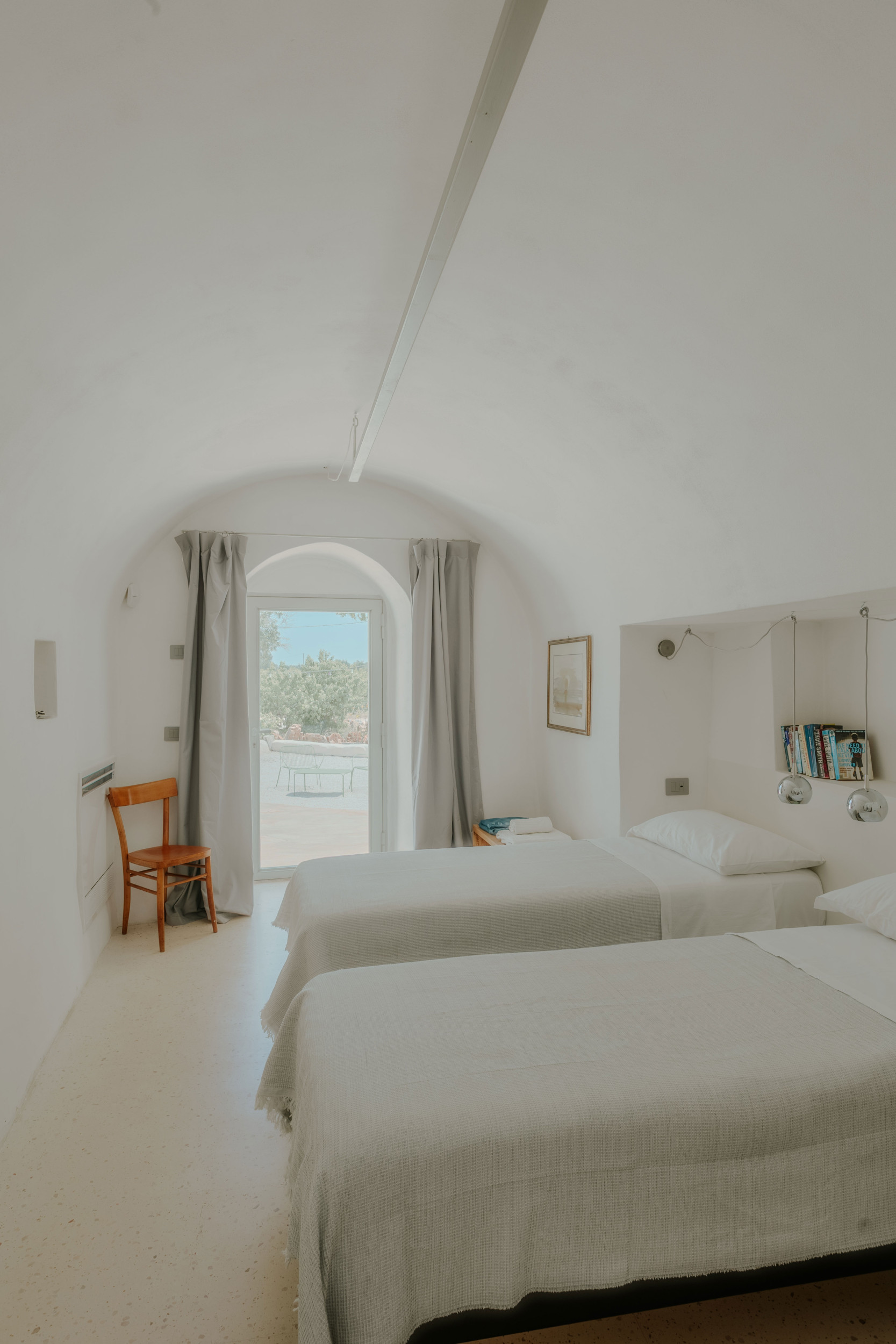
Initiated during the Covid pandemic by MWAI director Alessia Mosci and her partner, the vision was to revive the historic trulli—once used by farmers—while preserving their architectural integrity. The central cluster, arranged around a traditional piazza, originally housed bread ovens and animal shelters. The restoration focused on three conical-roofed trulli and three vaulted lamie, all in dry limestone. Each original room was converted into a bedroom with en-suite facilities, with subtle new connections enhancing circulation while respecting the historic layout. A communal kitchen and living space will be rebuilt where the ovens once stood.
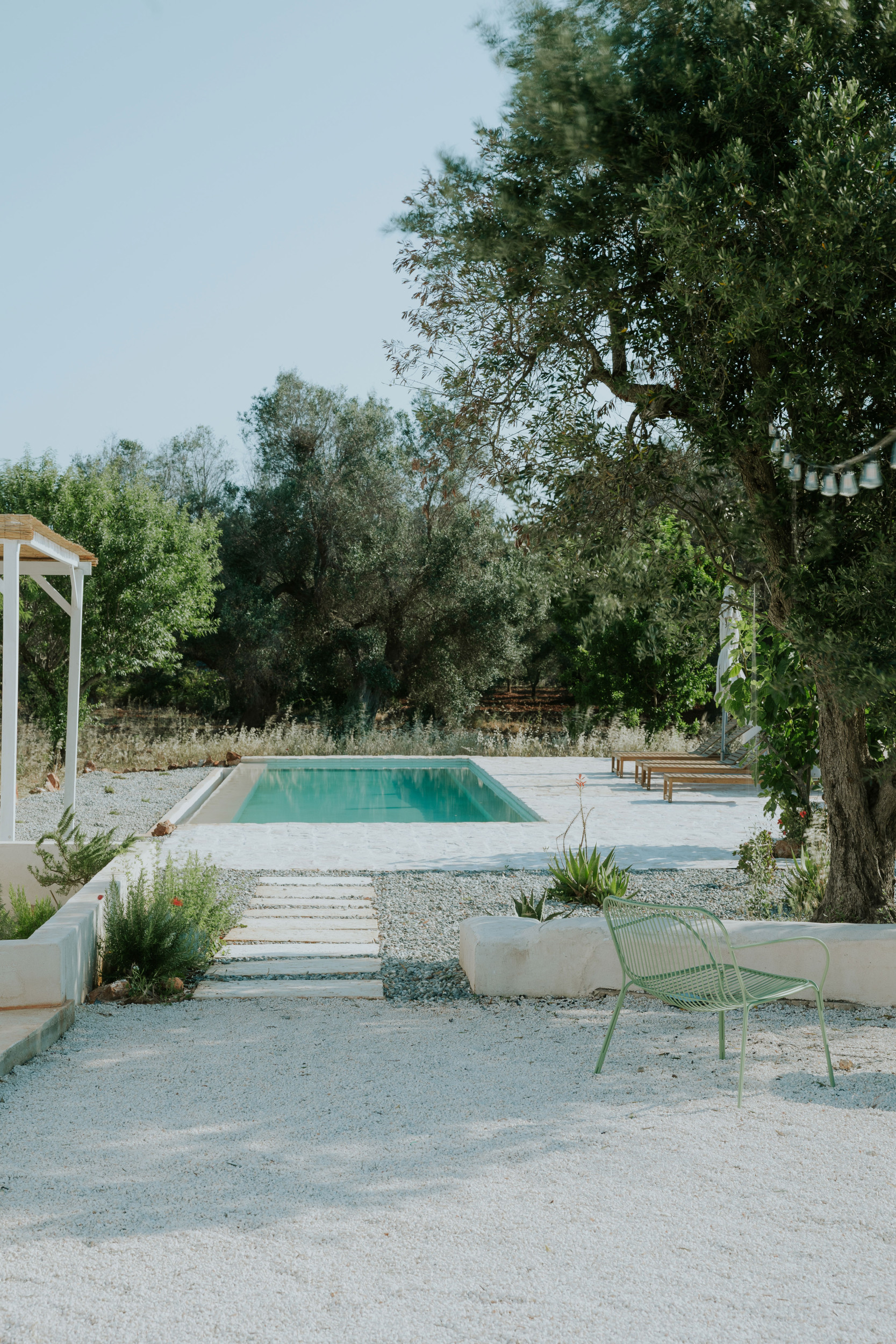
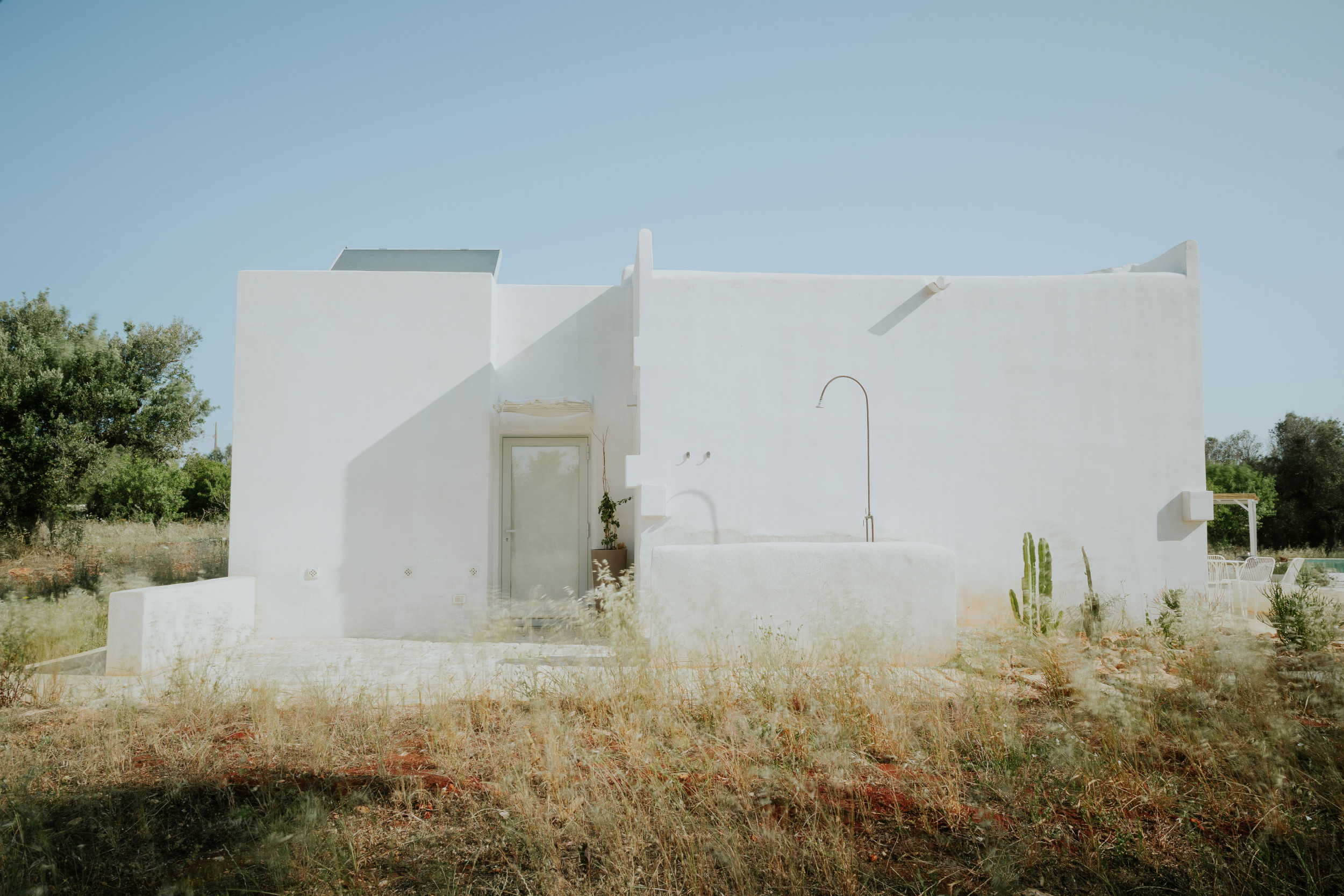
The external areas were reinterpreted with care: an original animal trough became an outdoor shower, and a new swimming pool with a submerged bench was added to offer a cooling retreat while preserving the natural topography and views.
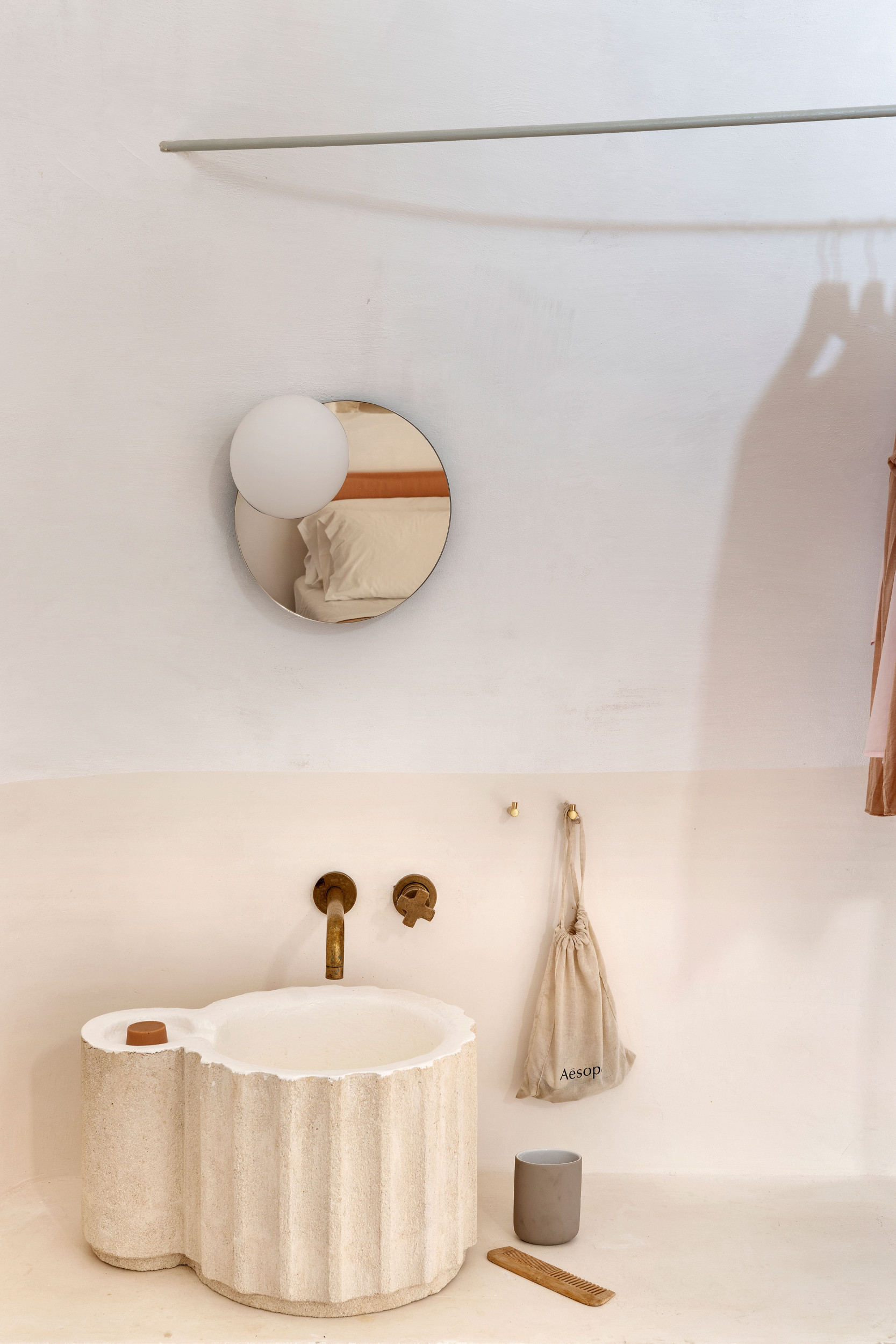
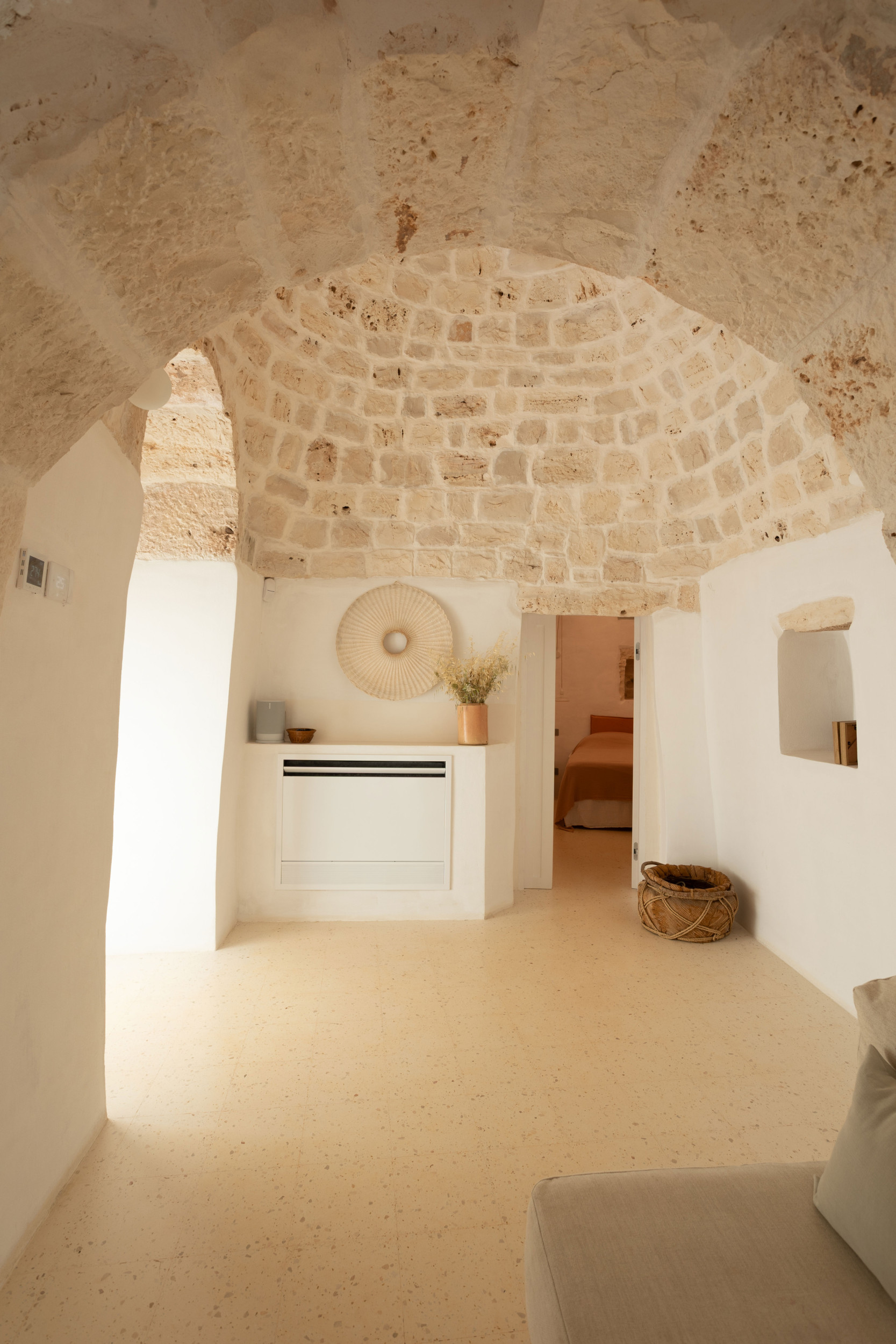
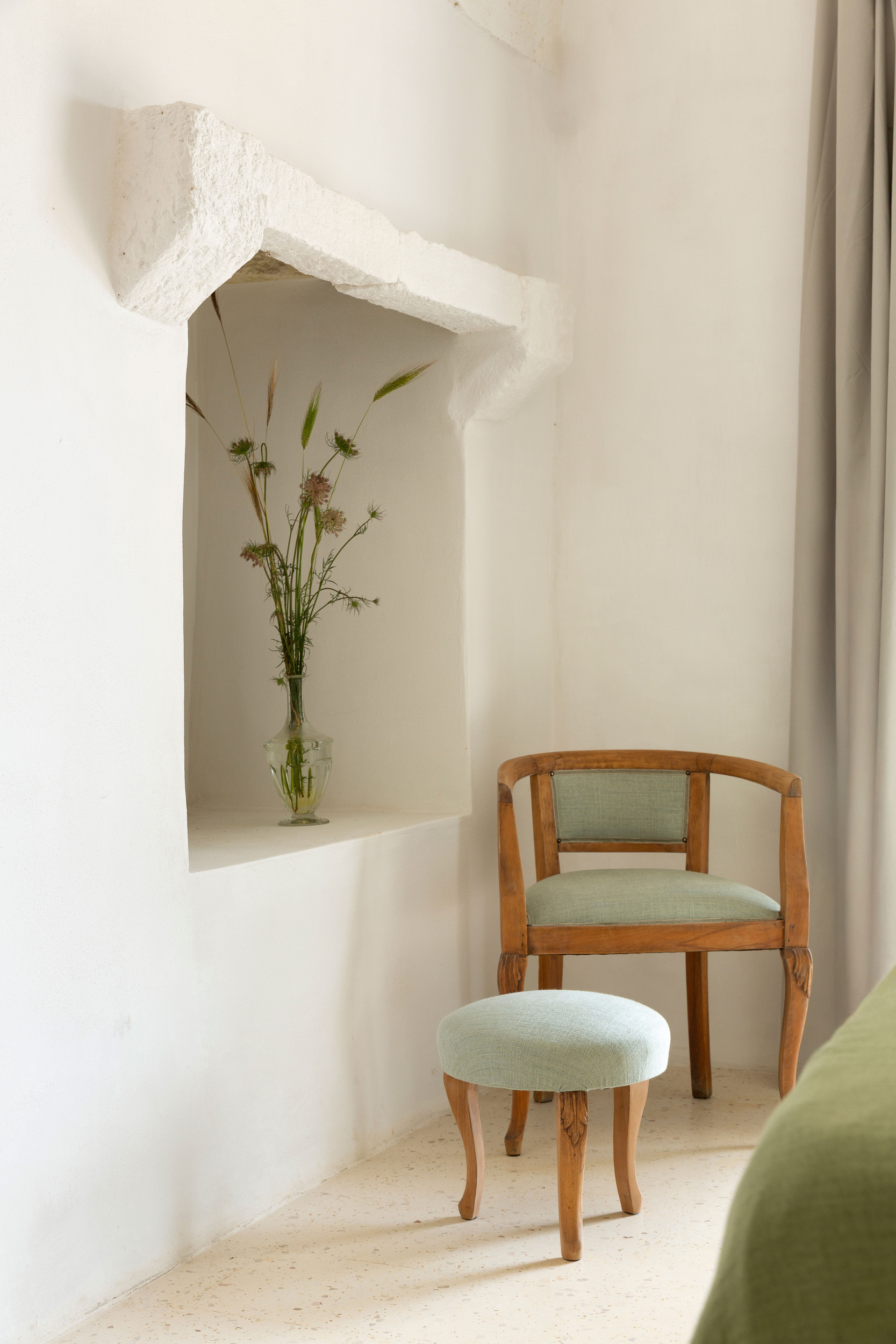
The interiors reflect a minimalist aesthetic aligned with the rural character of the region. The architect duo collaborated with local artisans on every detail—from limewashed walls and bespoke timber doors to custom stone benches and washbasins. Furniture was sourced from nearby antique markets and lovingly restored, reinforcing the project’s authenticity and craftsmanship.
The trulli’s orientation and thick stone walls naturally regulate temperature, while rainwater harvesting systems feed underground cisterns. These passive strategies are supported by modern systems including an air-source heat pump, underfloor heating, solar thermal panels, and photovoltaics—ensuring comfort with minimal environmental impact.
Initiated during the Covid pandemic by MWAI director Alessia Mosci and her partner, the vision was to revive the historic trulli—once used by farmers—while preserving their architectural integrity. The central cluster, arranged around a traditional piazza, originally housed bread ovens and animal shelters. The restoration focused on three conical-roofed trulli and three vaulted lamie, all in dry limestone. Each original room was converted into a bedroom with en-suite facilities, with subtle new connections enhancing circulation while respecting the historic layout. A communal kitchen and living space will be rebuilt where the ovens once stood.
The external areas were reinterpreted with care: an original animal trough became an outdoor shower, and a new swimming pool with a submerged bench was added to offer a cooling retreat while preserving the natural topography and views.
The interiors reflect a minimalist aesthetic aligned with the rural character of the region. The architect duo collaborated with local artisans on every detail—from limewashed walls and bespoke timber doors to custom stone benches and washbasins. Furniture was sourced from nearby antique markets and lovingly restored, reinforcing the project’s authenticity and craftsmanship.
The trulli’s orientation and thick stone walls naturally regulate temperature, while rainwater harvesting systems feed underground cisterns. These passive strategies are supported by modern systems including an air-source heat pump, underfloor heating, solar thermal panels, and photovoltaics—ensuring comfort with minimal environmental impact.